
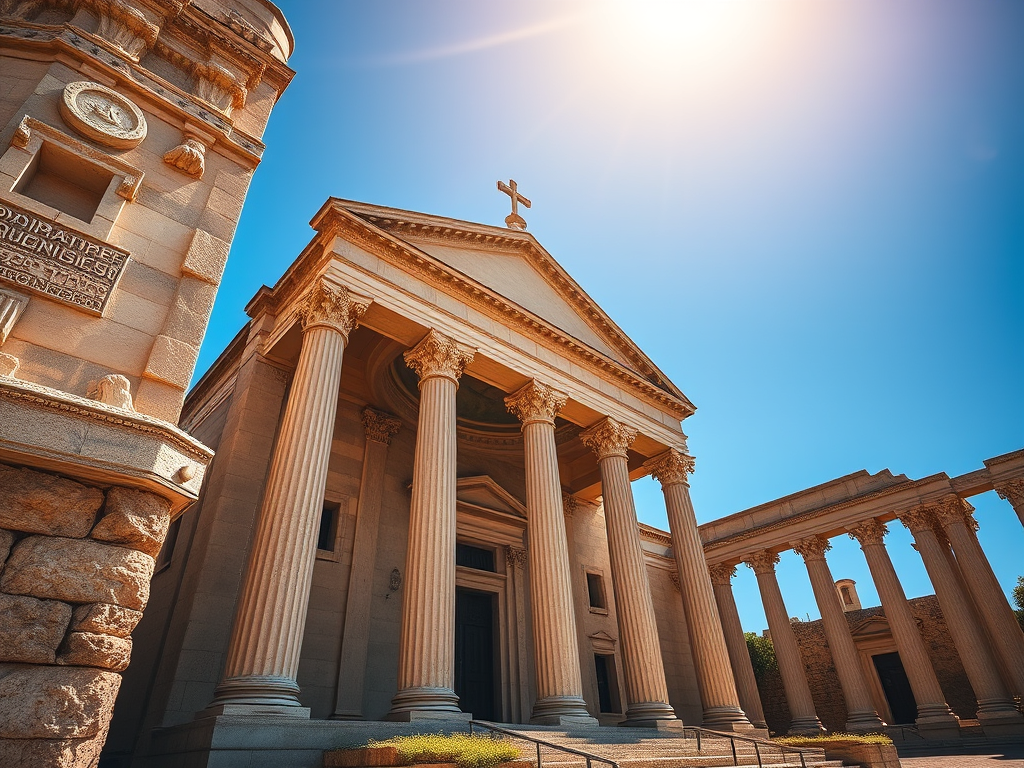
1 – IGREJA DE ÉFESO
INTRODUÇÃO
As sete igrejas da Ásia Menor eram comunidades cristãs históricas. Elas receberam mensagens diretas do Senhor Jesus Cristo, ditadas pelo apóstolo João e registradas no Apocalipse 2 -3. Cada carta segue um padrão similar, mas com diferenças significativas e condição que cada igreja encontrava espiritualmente.
As cartas tinham como destinatários os Homens Estabelecidos por Deus – (pastores) – Ao anjo da Igreja que está. Cada carta apresenta Jesus Cristo com características diferentes.
Elogios – Trabalho, perseverança e rejeição ao mal.
Críticas – Abandonou o primeiro amor fervoroso inicial.
Exortação – Lembra de onde você caiu, e arrepende-te.
Para todas as igrejas Jesus disse conheço as tuas obras.
A IGREJA DE ÉFESO
O ponto principal da igreja de Éfeso, ela trabalhava com perseverança, mas tinha abandonado o primeiro amor. O início desta igreja foi fervoroso por Jesus Cristo e pelo próximo.
apocalipse 2:1-7. Ao anjo da igreja em Éfeso escreve: – Estas coisas dizem aquele que conserva na mão direita as sete estrelas e que anda no meio dos sete candeeiros de ouro: Conheço as tuas obras, tanto o teu labor como a tua perseverança, e que não podes suportar homens maus, e que puseste à prova os que a si mesmos se declaram apóstolos e não são, e os achaste mentirosos; e tens perseverança, e suportaste provas por causa do meu nome, e não te deixaste esmorecer. Tenho, porém, contra ti que abandonaste o teu primeiro amor. Lembra-te, pois, de onde caíste, arrepende-te e volta à prática das primeiras obras; e, se não, venho a ti e moverei do seu lugar o teu candeeiro, caso não te arrependas. Tens, contudo, a teu favor que odeias as obras dos nicolaítas, as quais eu também odeio. Quem tem ouvidos, ouça o que o Espírito diz às igrejas: Ao vencedor, dar-lhe-ei que se alimente da árvore da vida que se encontra no paraíso de Deus.
Na carta que Jesus enviou à Igreja de Éfeso, continha o aviso de exortação. Vv 5 – lembra de onde você caiu, e arrepende-te.
Jesus elogiou o seu trabalho, sua perseverança e rejeição ao mal, mas fez críticas porque abandonou o seu primeiro amor inicial.
Jesus viu a perseverança desta igreja num ambiente hostil, a firmeza e a resistência ao sincretismo religioso, e não suporta os maus homens.
Essa igreja odeia as obras dos Nicolaítas, falsos apóstolos infiltrados na igreja, mas comprometidos com seitas e idolatrias.
A Cultura da Cidade Histórica de Éfeso – Século 1 DC
Éfeso foi uma das cidades mais importantes do Império Romano no século I. Era capital da província romana da Ásia, hoje atual Turquia ocidental. A cidade de Éfeso era de suma importância, ela conectava as rotas entre Oriente e Ocidente com um grande porto comercial.
Sua população na época era estimada em 200.000 e 250.000 habitantes. Éfeso era o centro político, econômico e religioso de primeira grandeza.
Os Aspectos Religiosos Dominantes.
O Culto a Ártemis, mais conhecida como a deusa Diana. O Templo de Ártemis – É considerada uma das sete maravilhas do mundo antigo, medindo 115m x 55m, com 127 colunas de mármore, era o centro de peregrinação em toda a região mediterrânea.
A estátua da deusa, representada com múltiplos seios, símbolo de fertilidade e proteção da cidade. Havia a crença que a estátua tinha caído do céu, ela era objeto de veneração.
Atos 19:35. O escrivão da cidade, tendo apaziguado o povo, disse: Senhores, efésios: quem, porventura, não sabe que a cidade de Éfeso é a guardiã do templo da grande Diana e da imagem que caiu de Júpiter?
A fabricação de miniaturas do templo e da deusa, vendas de livros de feitiços e encantamentos eram muito valorizadas, as práticas mágicas e ocultas davam muito dinheiro para quem vivia da economia religiosa. Era muito forte crença em demônios, espíritos e magia protetora.
Atos 19:24. Pois um ourives, chamado Demétrio, que fazia, de prata, nichos de Diana e que dava muito lucro aos artífices.
Atos 19:19. Também muitos dos que haviam praticado artes mágicas, reunindo os seus livros, os queimaram diante de todos. Calculados os seus preços, achou-se que montavam a cinquenta mil denários.
Havia mistura de crenças gregas, romanas e orientais. O sincretismo religioso era uma cultura forte, diversos templos de outros deuses, culto ao imperador e a outras divindades.
Comunidade judaica era significativa com sinagoga. Apóstolo Paulo pregou inicialmente na sinagoga por três meses – Atos 19:8. Durante três meses, Paulo frequentou a sinagoga, onde falava ousadamente, dissertando e persuadindo com respeito ao reino de Deus.
Esse foi um período de muita tensão entre judeus e gentios convertidos ao cristianismo, foi um grande desafio para os novos cristãos.
Atos 18:23-27. Por esse tempo, houve grande alvoroço acerca do Caminho. Pois um ourives, chamado Demétrio, que fazia, de prata, nichos de Diana e que dava muito lucro aos artífices, convocando-os juntamente com outros da mesma profissão, disse-lhes: Senhores, sabeis que deste ofício vem a nossa prosperidade e estais vendo e ouvindo que não só em Éfeso, mas em quase toda a Ásia, este Paulo tem persuadido e desencaminhado muita gente, afirmando não serem deuses os que são feitos por mãos humanas. Não somente há o perigo de a nossa profissão cair em descrédito, como também o de o próprio templo da grande deusa, Diana, ser estimado em nada, e ser mesmo destruída a majestade daquela que toda a Ásia e o mundo adoram.
Os comerciantes exigiam culto a deuses pagãos, apelaram à corte, seus serviços profissionais estavam sofrendo boicote econômico. As pessoas estavam rejeitando festividades religiosas públicas por causa da mensagem do apóstolo Paulo.
Os cidadãos de Éfeso estavam ligados ao culto a Ártemis, agora eles negavam os deuses locais. O tumulto causado por Demétrius era uma pressão para as pessoas se adaptarem ao cristianismo.
A cultura da cidade de Éfeso foi desafiadora, os cristãos tiveram que lutar para manter a fé pura em meio a enormes pressões diabólicas.
CONCLUSÃO.
Mensagem – Roy Pillay.
Jesus disse coisas maravilhosas sobre essa igreja. Mas eles funcionavam com todas as expectativas religiosas sem a paixão por Cristo, eles perderam o primeiro amor. Isso nos ensina que podemos funcionar como uma igreja, sem ter um relacionamento com Jesus. Nessa temporada há muitas pessoas na igreja exercendo um profissionalismo de excelência, mas sem paixão, sem amor por Jesus Cristo.
Essa era a expectativa de avaliação da igreja em Éfeso, Deus sabia que a igreja de Éfeso tinha os protocolos da Doutrina, mas eles não funcionavam na estrutura da doutrina do Senhor Jesus. Deus observou a condição espiritual da igreja de Éfeso e viu que está igreja perdeu o seu amor por Jesus Cristo.
O primeiro significa um amor antes de qualquer amor, Jesus foi questionado por um fariseu e Ele respondeu assim: Mt 22:37-40. Respondeu Jesus: “‘Ame o Senhor, o seu Deus de todo o seu coração, de toda a sua alma e de todo o seu entendimento’. Este é o primeiro e maior mandamento. E o segundo é semelhante a ele: ‘Ame o seu próximo como a si mesmo’. Destes dois mandamentos dependem toda a Lei e os Profetas”.
A igreja não pode fugir da responsabilidade de amar o Senhor, colocá-lo em primeiro lugar. Pessoas estão preocupadas com sua dignidade, seu amor próprio e esquecem que o bem estar de suas almas depende do seu primeiro amor quando vem para o Senhor Jesus.
O amor é o primeiro pilar da doutrina apostólica, é para toda igreja, o Senhor está falando nessa temporada para todas as igrejas na cidade. Deus está observando do céu a condição espiritual da Sua Igreja. Ele observou a condição do povo de Éfeso, ele avaliou que a cidade era muito boa, ela tinha os melhores adoradores, a melhor apresentação, a melhor ministração, a melhor liturgia, o melhor programa, mas eles perderam todo seu amor por Deus.
É a partir do ponto de amar a Deus sobre todas as coisas é que você deve começar a construir seu ministério. O trabalho de Deus é receber aquele que foi enviado à você. O dom de Deus que foi enviado a terra, nossa paixão deve ser construir sobre a Rocha que foi enviada a terra, a igreja deve ser encontrada sobre está Rocha.
Temos que entender que a cidade esta em observação de juízo, muitas pessoas não entendem esse princípio de julgamento, por mais que elas tenham feito muitas coisas boas, sempre haverá algo de contra elas. Deus pode ver coisas que ninguém pode ver, Deus pode ver, Ele é um Deus onisciente, onipresente, Ele conhece todas as coisas, Ele pode ver coisas sobre você, que seu vizinhos, seus parentes, seus amigos, seus pais, seus irmãos ou qualquer organização que não pode ver.
Havia algo naquela cidade de Éfeso, Ele disse que essa cidade está adorando a Deus, sem amor e sem paixão. Esta foi a observação, Jesus exigiu que a igreja da cidade de Éfeso se arrependesse e voltasse a suas primeiras obras, ou Ele viria rapidamente e removeria suas lamparinas. O julgamento é se você não se arrepender, se você não se consertar, o candeeiro será retirado de vocês, suas casas vão virar uma escuridão.
Precisamos entender o propósito deste candeeiro, o posicionamento deste candeeiro, ele está relacionado com a Arca da Aliança. Jesus estava exigindo da igreja de Éfeso arrependimento, por violar os protocolos e a doutrina que estão escritos na Palavra de Deus. Éfeso estava funcionando fora da cultura de Deus, a exigência era para restaurar a cultura dentro do corpo de Jesus Cristo.
Coisas erradas acontecem em todo lugar, não existia nada único na cidade de Éfeso, em qualquer lugar do mundo. Problemas encontramos em todos os lugares, mas quando temos um problema na igreja, a primeira coisa a ser feita é fazer com que a igreja retorne a cultura padrão do Senhor.
Todos na cidade têm que estar reunidos ao redor da cultura da igreja, como foi falado anteriormente o julgamento não é para uma igreja específica, o julgamento é para todas as igrejas na cidade. A imersão é para toda a igreja de Jesus Cristo, todos tem que imergir na cultura da igreja, essa imersão é para todos, ninguém deve ficar de fora da cultura de Deus.
Existe uma cultura para aqueles que querem uma conexão com Deus. A exigência dessa cultura é amar os mandamentos do Senhor. Você não pode fazer parte da igreja e não querer viver a cultura de Deus. Deus está fazendo observação a todos dentro do seu Arraial, se você só tem vindo a igreja e não tem amor pelas coisas dele, arrependa e retorne as práticas do prazer de fazer as coisas Dele com amor.
Se você quer a presença de Deus dentro da sua igreja, traga a cultura de Deus para dentro da sua igreja. Você só pode experimentar a presença de Deus na sua casa, se você praticar a cultura de Deus, caso contrário Jesus vai remover o candeeiro da sua igreja.
Por – Pedro Amâncio & Roy Pillay
1 – CHURCH OF EPHESUS
INTRODUCTION
The seven churches of Asia Minor were historic Christian communities. They received direct messages from the Lord Jesus Christ, dictated by the apostle John and recorded in Revelation 2-3. Each letter follows a similar pattern, but with significant differences and the spiritual condition of each church.
The letters were addressed to the Men Appointed by God (pastors) – To the angel of the Church which is. Each letter presents Jesus Christ with different characteristics.
Praise – Hard work, perseverance, and rejection of evil.
Criticism – She abandoned her initial, fervent love.
Exhortation – Remember from where you have fallen, and repent.
To all the churches Jesus said, “I know your works.”
THE CHURCH OF EPHESUS
The main point of the church in Ephesus was that it worked with perseverance, but had abandoned its first love. The beginning of this church was marked by fervor for Jesus Christ and for their neighbor.
Revelation 2:1-7. To the angel of the church in Ephesus write: “These are the words of him who holds the seven stars in his right hand and walks among the seven golden lampstands: I know your deeds, your hard work and your perseverance. I know that you cannot tolerate wicked people, that you have tested those who claim to be apostles but are not, and have found them false. You have persevered and have endured hardships for my name, and have not grown weary. Yet I hold this against you: You have forsaken the love you had at first. Consider how far you have fallen! Repent and do the things you did at first. If not, I will come to you and remove your lampstand from its place, unless you repent. Yet you have this in your favor: You hate the practices of the Nicolaitans, which I also hate.” He who has ears to hear, let him hear what the Spirit says to the churches. To him who overcomes I will give to eat from the tree of life, which is in the paradise of God.
In the letter that Jesus sent to the Church in Ephesus, there was a warning of exhortation. Verse 5 – Remember from where you have fallen, and repent.
Jesus praised his work, his perseverance, and his rejection of evil, but criticized him because he had abandoned his initial love.
Jesus saw the perseverance of this church in a hostile environment, its steadfastness and resistance to religious syncretism, and He cannot tolerate wicked men.
This church hates the works of the Nicolaitans, false apostles who infiltrated the church but were committed to sects and idolatry.
The Culture of the Historic City of Ephesus – 1st Century AD
Ephesus was one of the most important cities of the Roman Empire in the 1st century. It was the capital of the Roman province of Asia, in what is now western Turkey. The city of Ephesus was of paramount importance, connecting routes between East and West with a major commercial port.
Its population at the time was estimated at between 200,000 and 250,000 inhabitants. Ephesus was a major political, economic, and religious center.
The Dominant Religious Aspects.
The Cult of Artemis, better known as the goddess Diana. The Temple of Artemis – Considered one of the seven wonders of the ancient world, measuring 115m x 55m, with 127 marble columns, it was the center of pilgrimage throughout the Mediterranean region.
The statue of the goddess, depicted with multiple breasts, was a symbol of fertility and protection for the city. It was believed that the statue had fallen from the sky and was an object of veneration.
Acts 19:35. The town clerk, having calmed the crowd, said: “Men of Ephesus, who does not know that the city of Ephesus is the guardian of the temple of the great Artemis and of the image that fell from Jupiter?”
The making of miniature temples and goddesses, and the sale of spellbooks and incantations were highly valued; magical and occult practices brought in a lot of money for those who lived off the religious economy. There was a very strong belief in demons, spirits, and protective magic.
Acts 19:24. For there was a silversmith named Demetrius, who made silver shrines of Artemis and brought in a great deal of business for the craftsmen.
Acts 19:19. Many of those who had practiced magic arts brought their books together and burned them publicly. And the value of the books was calculated at fifty thousand denarii.
There was a mixture of Greek, Roman, and Eastern beliefs. Religious syncretism was a strong cultural feature, with various temples dedicated to other gods, the cult of the emperor, and worship of other deities.
The Jewish community was significant because of its synagogue. The Apostle Paul initially preached in the synagogue for three months – Acts 19:8. For three months, Paul frequented the synagogue, where he spoke boldly, reasoning and persuading concerning the kingdom of God.
This was a period of great tension between Jews and Gentiles converted to Christianity; it was a major challenge for the new Christians.
Acts 18:23-27. About that time there arose a great disturbance concerning the Way. For a silversmith named Demetrius, who made silver shrines of Artemis and brought in a great deal of business for the craftsmen, called them together with others of the same trade and said to them, “Men, you know that our business is a means of livelihood, and you see and hear that not only in Ephesus but in almost all of Asia this Paul has persuaded and misled a great many people, saying that gods made with hands are not gods. Not only is there danger that our trade will fall into disrepute, but also that the temple of the great goddess Artemis will be held in no esteem, and even that the majesty of her whom all Asia and the world worship will be destroyed.”
Merchants demanded worship of pagan gods, appealed to the court, and their professional services were suffering an economic boycott. People were rejecting public religious festivities because of the message of the apostle Paul.
The citizens of Ephesus were tied to the cult of Artemis, but now they rejected the local gods. The turmoil caused by Demetrius was a way to pressure people to adapt to Christianity.
The culture of the city of Ephesus was challenging; Christians had to fight to keep their faith pure amidst enormous diabolical pressures.
CONCLUSION.
Message – Roy Pillay
Jesus said wonderful things about that church. But they functioned according to all religious expectations without passion for Christ; they had lost their first love. This teaches us that we can function as a church without having a relationship with Jesus. In this season, there are many people in the church exercising excellent professionalism, but without passion, without love for Jesus Christ.
This was the expected evaluation of the church in Ephesus. God knew that the church in Ephesus had the protocols of Doctrine, but they did not function within the framework of the doctrine of the Lord Jesus. God observed the spiritual condition of the church in Ephesus and saw that this church had lost its love for Jesus Christ.
The first signifies a love before any other love. Jesus was questioned by a Pharisee, and He answered thus: Matthew 22:37-40. Jesus replied: “’Love the Lord your God with all your heart and with all your soul and with all your mind.’ This is the first and greatest commandment. And the second is like it: ‘Love your neighbor as yourself.’ All the Law and the Prophets hang on these two commandments.”
The church cannot shirk its responsibility to love the Lord, to put Him first. People are preoccupied with their dignity, their self-esteem, and forget that the well-being of their souls depends on their first love when they come to the Lord Jesus.
Love is the first pillar of apostolic doctrine; it’s for the whole church. The Lord is speaking to all the churches in the city during this season. God is observing the spiritual condition of His Church from heaven. He observed the condition of the people of Ephesus; He assessed that the city was very good, it had the best worshipers, the best presentation, the best ministry, the best liturgy, the best program, but they had lost all their love for God.
It is from the point of loving God above all things that you must begin to build your ministry. God’s work is to receive the one who was sent to you. The gift of God that was sent to earth, our passion must be to build upon the Rock that was sent to earth, the church must be found upon this Rock.
We must understand that the city is under observation for judgment. Many people don’t understand this principle of judgment; no matter how many good things they have done, there will always be something against them. God can see things that no one else can see. God can see; He is an omniscient, omnipresent God. He knows all things. He can see things about you that your neighbors, your relatives, your friends, your parents, your siblings, or any organization cannot see.
There was something wrong in that city of Ephesus. He said that this city was worshipping God without love and without passion. This was the observation: Jesus demanded that the church in the city of Ephesus repent and return to its first works, or He would come quickly and remove their lamps. The judgment is: if you do not repent, if you do not mend your ways, the lampstand will be taken from you, and your houses will become dark.
We need to understand the purpose of this lampstand, its placement; it is related to the Ark of the Covenant. Jesus was demanding repentance from the church in Ephesus for violating the protocols and doctrine written in the Word of God. Ephesus was functioning outside of God’s culture; the requirement was to restore that culture within the body of Jesus Christ.
Wrong things happen everywhere; there was nothing unique about the city of Ephesus, or anywhere in the world. We find problems everywhere, but when we have a problem in the church, the first thing to do is to bring the church back to the Lord’s standard culture.
Everyone in the city must be united around the culture of the church, as previously stated. The judgment is not for one specific church; the judgment is for all churches in the city. Immersion is for the entire church of Jesus Christ; everyone must immerse themselves in the culture of the church. This immersion is for everyone; no one should be left out of God’s culture.
There is a culture for those who want a connection with God. The requirement of this culture is to love the Lord’s commandments. You cannot be part of the church and not want to live God’s culture. God is watching everyone within His camp; if you have only been coming to church and have no love for His things, repent and return to the joyful practices of doing His things with love.
If you want God’s presence in your church, bring God’s culture into your church. You can only experience God’s presence in your home if you practice God’s culture; otherwise, Jesus will remove the lampstand from your church.
By – Pedro Amancio & Roy Pillay
 Notas Pedro Amancio